We were up early on our second day at Little Vumbura, ready for our second safari drive checking out the animals of the Okavenga Delta. It was a morning of continuous encounters as we drove around the grasslands.


The Impala were in plentiful supply and I was particularly happy to spot the small juvenile having a rest while the parents had their grass breakfast, sniffed the wind for predators and kept an eye on the surrounding bushland.
The bird life at the start of our morning drive was also pretty spectacular. I was particularly pleased to see a couple of yellow-billed storks as well as the saddle billed stork wading through the shallow swampy water on the side of the road.


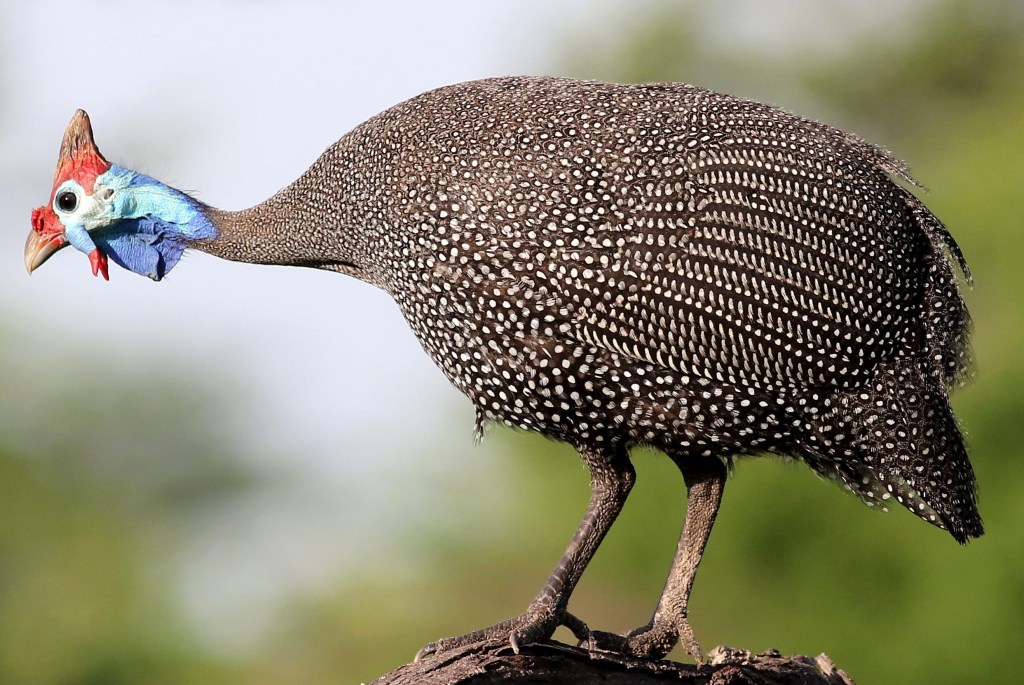
One of my favourite bird sightings was always the Helmeted Guinea Fowl. We encountered quite a tribe of these birds at the Victoria Falls River Lodge. They were the local chooks that wandered around the grounds all day cleaning up the site. I had never seen chooks as good looking as these characters in Australian fowl houses. Along with so many other African species, there were plenty more of these beautiful birds prowling the swampy grasslands around the dirt roads of the Okavenga.
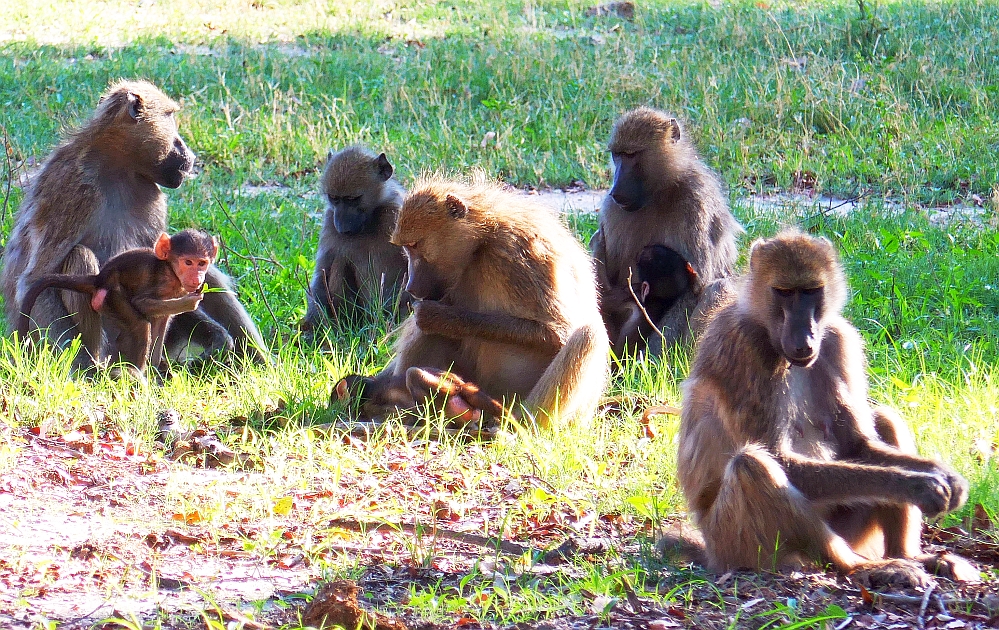
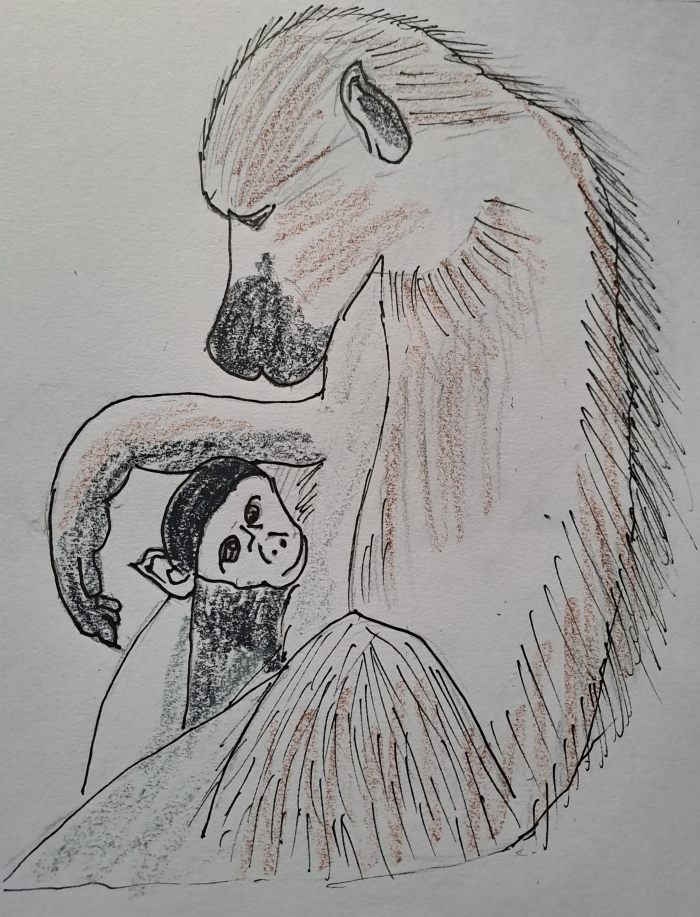
We came across a large group of of baboons who appeared to be relaxing for the morning. The baboon is the largest of all monkeys and their diet consists of fruits, seeds, grass, bulbs, bark, grubs, rodents etc. It was still early in the day when we encountered this troop and they appeared to be quite relaxed about the day ahead. The older baboons appeared to be very comfortable and sat around in small groups while the young baboons played games in the trees and around the Termite mounds. The leopard is the main predator of the baboons but apparently the Wild Dogs also occasionally attack baboons.
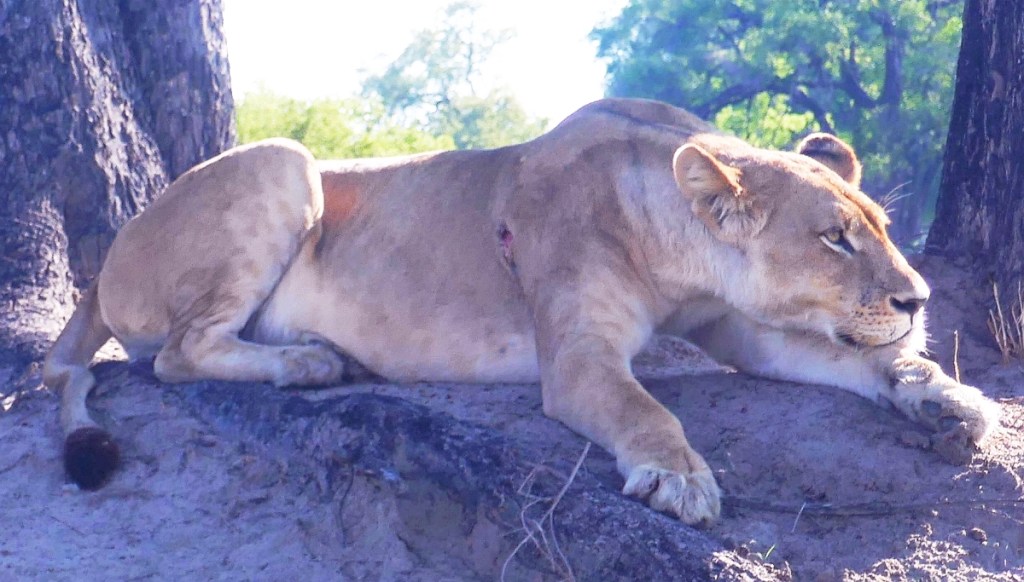
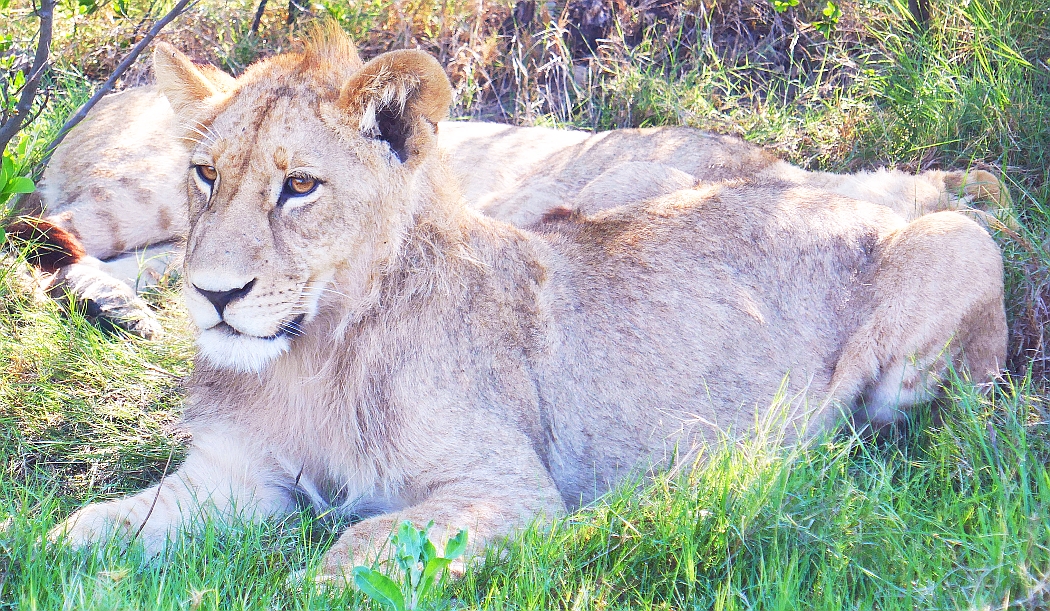
Our next stop was a pride of lions who were perhaps sleeping off their dinner from the night before. There appeared to be two lionesses and four or five large cubs who were not in the least disturbed by our arrival. They had a brief look at us and went back to sleep. It was not time to start the day.

We had been driving for a few hours when it was announced that it was time for morning coffee. Our guides chose a large shady tree for this purpose that wasn’t that far from a waterhole that appeared to be drying out during this low rainfall period. Its major inhabitant was a large hippopotamus who looked like he/she was lying more in mud rather than water. It didn’t look like the hippo would survive for much longer in this pool before it was time to move to a waterhole with more water. In the meantime, the egrets were happy to continue to assist with some cleaning whilst on the look out for bugs visiting the hippo.

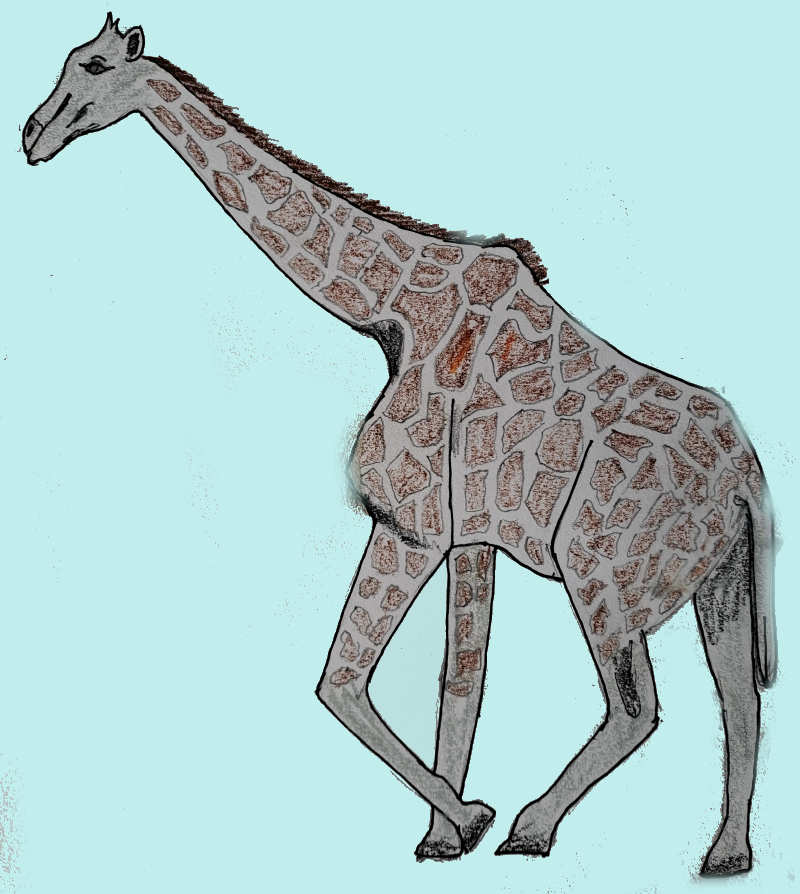
Our next group of animals that we encountered was a ‘tower’ of giraffes. The collective noun used to describe a group of giraffes is unsurprising. The obvious feature of these animals, the long necks, is behind this description given that these animals tower over the bushes and trees. We also found that the giraffes took more notice of our safari vehicle, some of them gathering together for a discussion as to what might these strange visitors be up to.

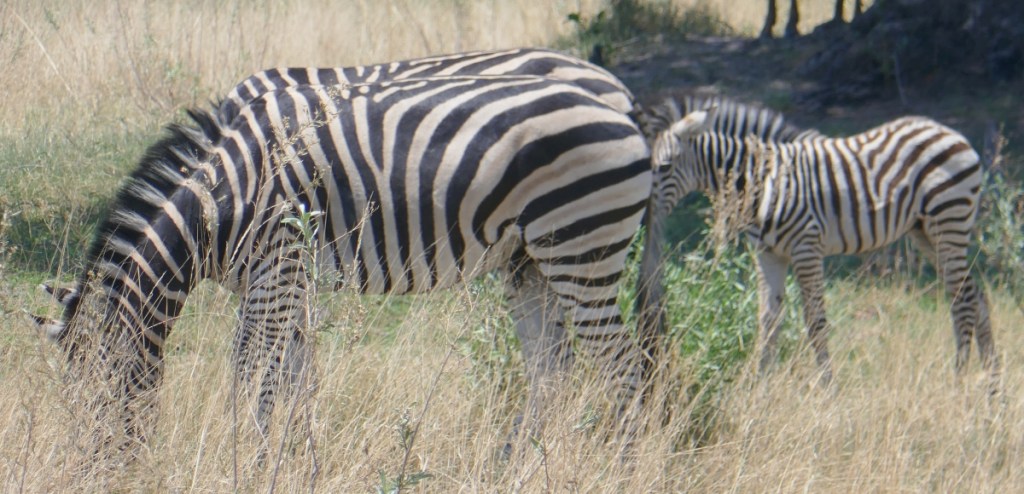
Further along from the giraffes, we came across a large herd of Zebras whose collective noun we discovered was a ‘dazzle’. Apparently zoologists believe that the Zebras use their stripes as camouflage to confuse predators. Another theory about the stripes is that they are a deterrent to biting flies. Zebras are defined as a species of ‘Equus,’ the same as horses and asses. There are three African equine species and I presume that the Okavenga Zebras were most likely the ‘Plains Zebra’.
The area where we encountered the Giraffe and the Zebra was a grassy plain with plenty of trees and bushes and there seemed to be a quite the mixture of grazing animals. One animal that we spotted that is usually found with large herds was a Hartbeest. (Left below.) Another animal that seemed to be feeding on its own was a wildebeest. This animal should have the reputation as the untidiest beast on the African plains given that it displays no interest in its look. It doesn’t bother to comb its hair or clean its coat after a mud-bath!


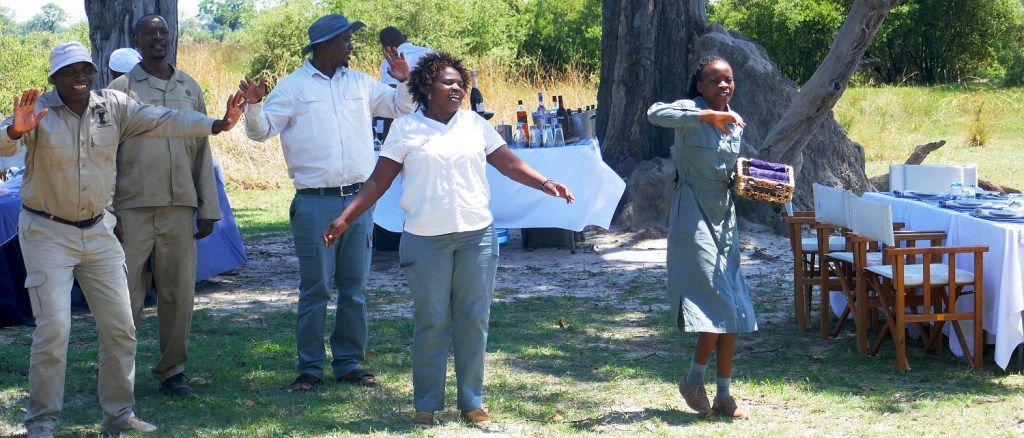
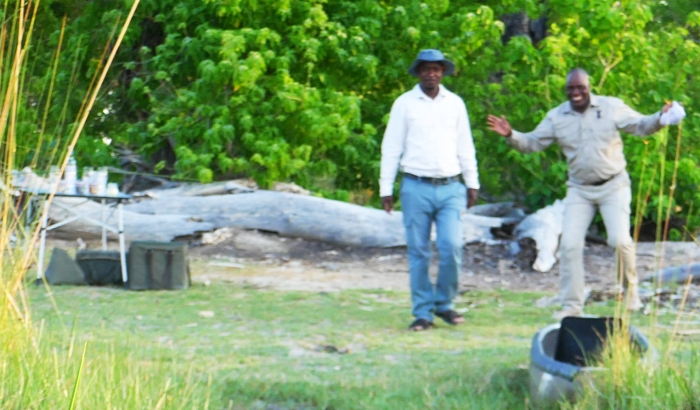
We had had a very busy morning exploring the Okavenga and given our early rise and our long drive, we were all just about ready for a decent lunch. However there was no sign of us heading back to civilization. To my concern, we even stopped under a tree with no sign of sustenance anywhere! Our guides invited us to jump out of the truck and head around the group of trees in front of us. As we headed off, the sound of singing started and there before us was a group of staff from the camp site with a large ‘spread’ laid out for us. It was picnic lunch time so we were not only entertained but fed superbly!
Late Afternoon Mokoro Excursion
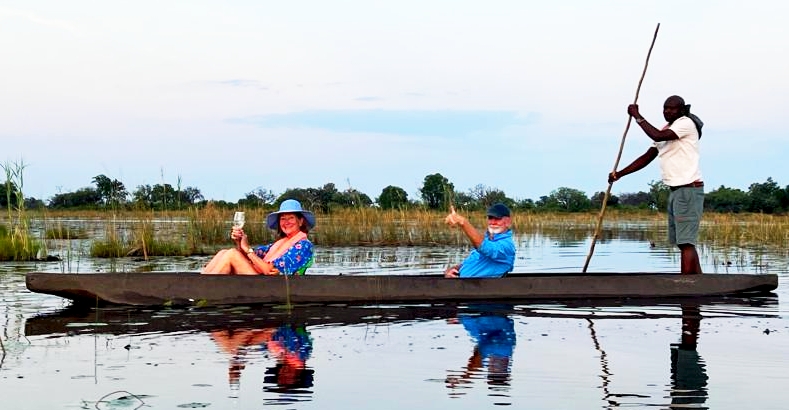
In the late afternoon on our second day at Little Vumbura, we were taken on an excursion in a Mokoro. This is a ‘flat’ canoe that is ‘native’ to the Okavenga Delta in Botswana. It is propelled through the shallow waters of the Chobe River by the ‘driver’ standing on the stern and pushing with a pole. The advantage for the passengers is that they are very low in the water so it’s a good way of inspecting the river at ‘reed height’

The Mokoro could be compared to the canoes made by aboriginals in Australia who make canoes out of the bark of trees. In the Okavenga, the Mokoro used to be made from Ebony or the African Sausage Tree. In modern times, these canoes are generally made from fibre glass which means the native trees are preserved. Users of the Mokoro know to keep well clear of Hippos who can attack Mokoros and easily overturn them.

The Okavenga Delta was declared a World Heritage area in 2014. Below is set out the details of the features of this eco-system that brought about its World Heritage declaration.
‘This delta in north-west Botswana comprises permanent marshlands and seasonally flooded plains. It is one of the very few major interior delta systems that do not flow into a sea or ocean, with a wetland system that is almost intact. One of the unique characteristics of the site is that the annual flooding from the River Okavango occurs during the dry season, with the result that the native plants and animals have synchronized their biological cycles with these seasonal rains and floods. It is an exceptional example of the interaction between climatic, hydrological and biological processes. The Okavango Delta is home to some of the world’s most endangered species of large mammal, such as the cheetah, white rhinoceros, black rhinoceros, African wild dog and lion.’ (Wikipedia)
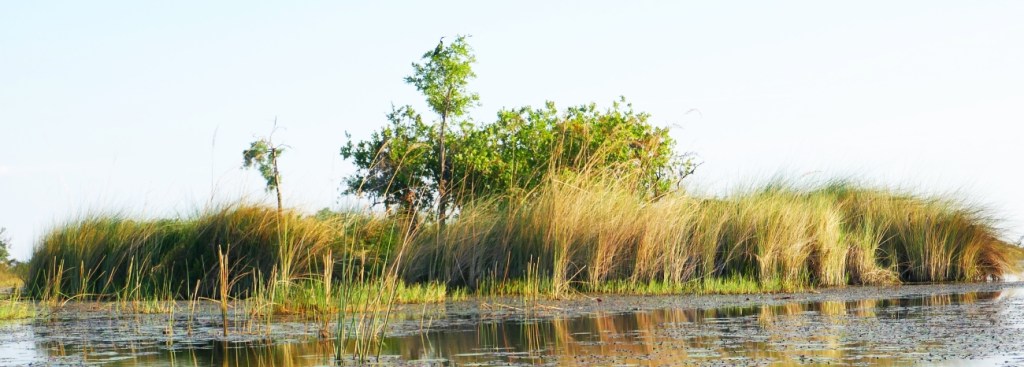
The Okavenga Delta has many islands, large and small. The building of these islands is what I found fascinating. The start of an island in the delta begins with the Termites who find some site where they can build their mound. Then the local birds contribute their part in the growing of an island by dropping seeds from trees on the growing mounds. The spreading of the tree roots attracts other flora and dead wood from trees etc is recycled by the termites and the islands slowly grow.
I can only presume that the island building process is promoted by the work of other animal species that prowl the conglomerations of weeds and mud that float on the waters of the delta. One of the birds that attracted our attention as we were rowed around the waters of the delta was the African Openbill Stork. This bird plonked itself in the middle of a floating island and took its time hunting for snails.


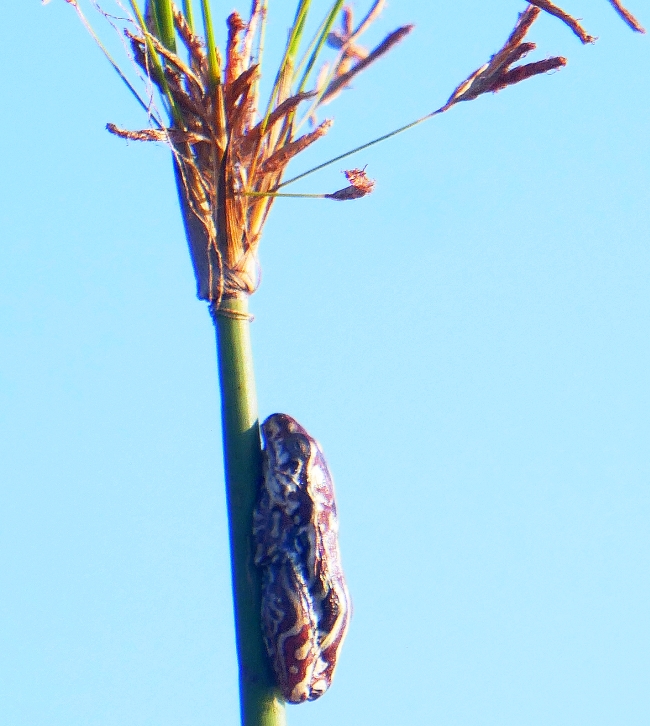
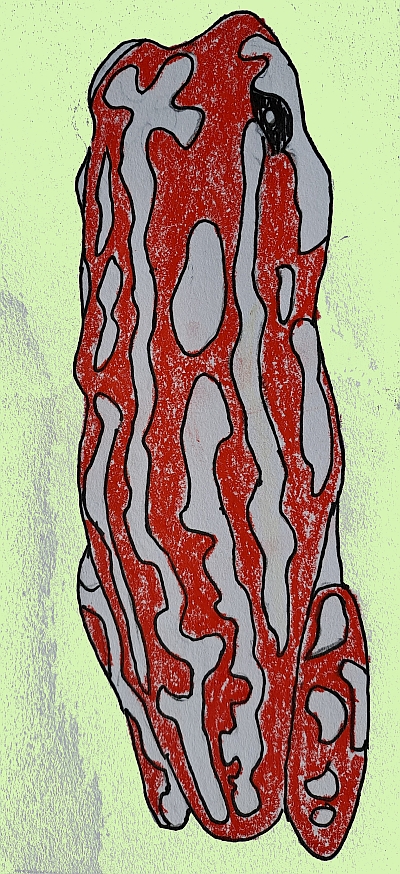
One of the curious attractions of being taken for a Mokoro ride around the delta are the reed frogs. They are so small and can be less than an inch long. You have to keep your eyes peeled or you will miss them clinging to the reeds. There are many varieties, one of the most attractive is the Angolan Reed Frog on the right below.

An excursion like going for a ride on a mokoro is not complete without our guides stopping off somewhere and providing us with a coffee or beer. This gave us time to discuss what we had seen and ask questions about the complex landscape of the delta.



 FOGTRAVEL