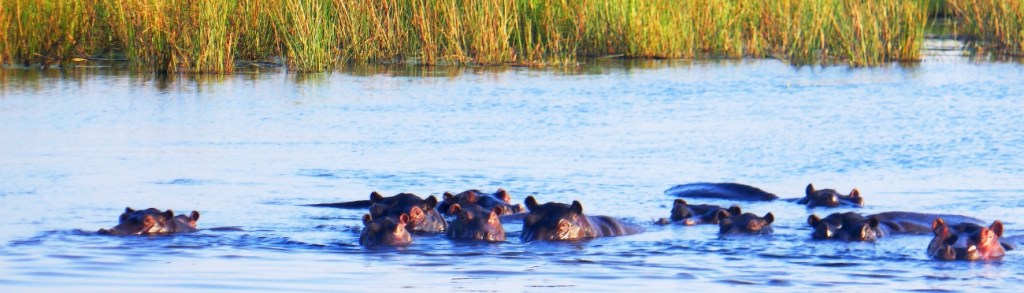
Each day as we drove out into the grasslands of the Okavenga Delta, we had to cross an old wooden bridge that took us across a waterhole that seemed to have an expanding number of Hippos in it each time we crossed. I wondered whether word had spread across the delta that the bridge was about to collapse and there would be plenty human food for all-comers. Luckily this nightmare didn’t occur.
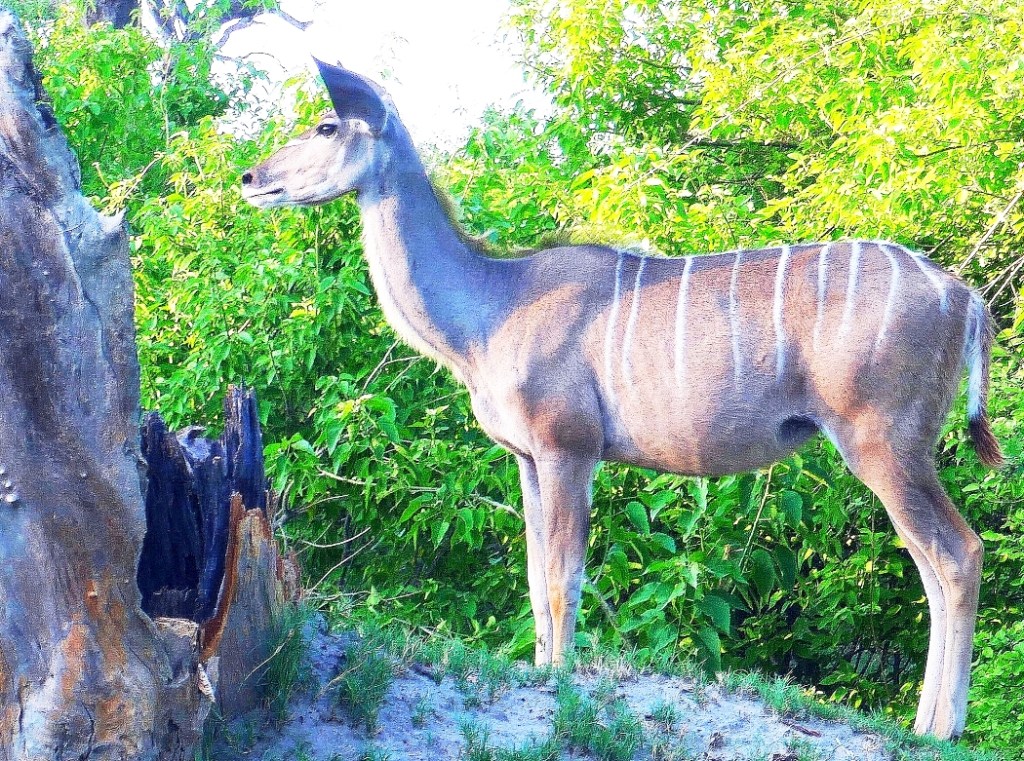
The Kudu to the left was as usual keeping a sharp lookout for roaming lions.
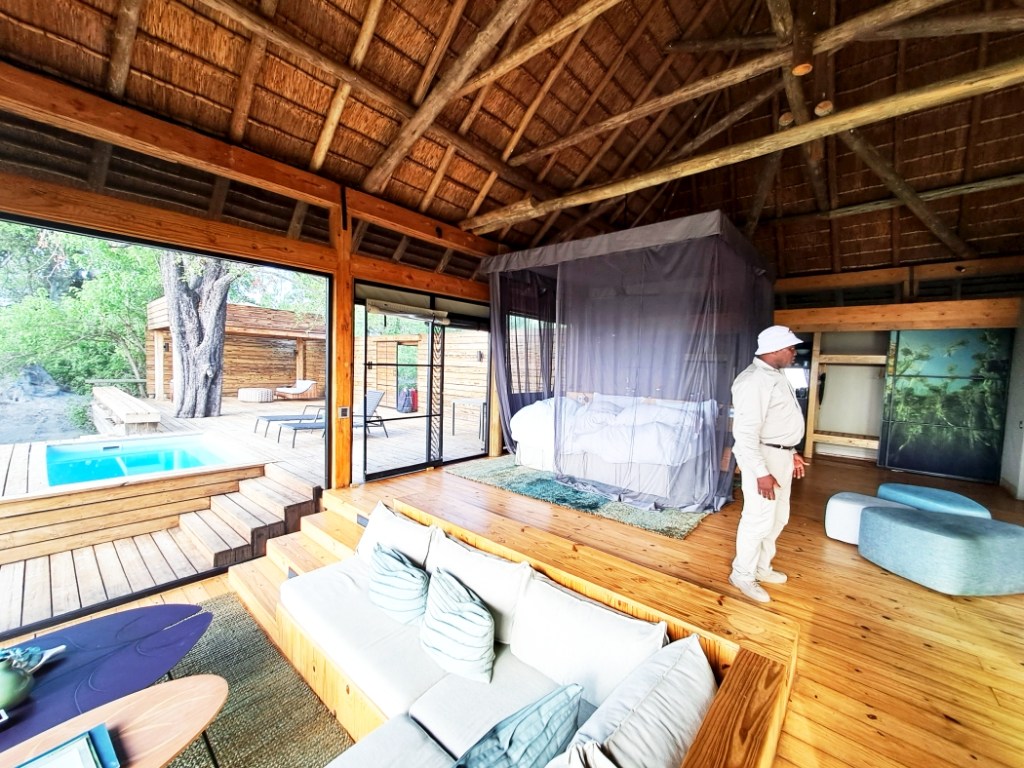
There had been reports of a large pack of Wild Dogs hunting in an area further away from our normal safari drives this morning. Our guide decided that we should go and check the reports out as well as dropping in at the Wilderness Vumbura Plains Camp that was nearby. We discovered that the Vumbura Plains camp was basically a five star hotel. As close neighbours, the staff at Vumbura Plains welcomed us and gave the group a tour of their facilities. This was the alternative plan when we discovered there was not much left of the prey that the wild dogs had hunted down not far from the back of this camp site.
After we had finished checking out the Vumbura Plains Camp site, we headed off to look for the Wild Dog pack which we were told wasn’t far away. On the way our drive was slowed down by a large number of Mongoose hurrying along the road. I am not sure whether they were keen to also see the Wild Dogs in action. Mongoose live in burrows and feed on small mammals, birds, reptiles and eggs. They are famous for their ability to attack and kill venomous snakes. One of the curiosities of this process is that if the mongoose isn’t fast enough and are bitten by the snake, their body chemistry can deactivate the snake venom. This was my first encounter with a mongoose; they are found mostly in Africa, southern Asia and Southern Europe. The Mongoose hasn’t made it to Australia yet.

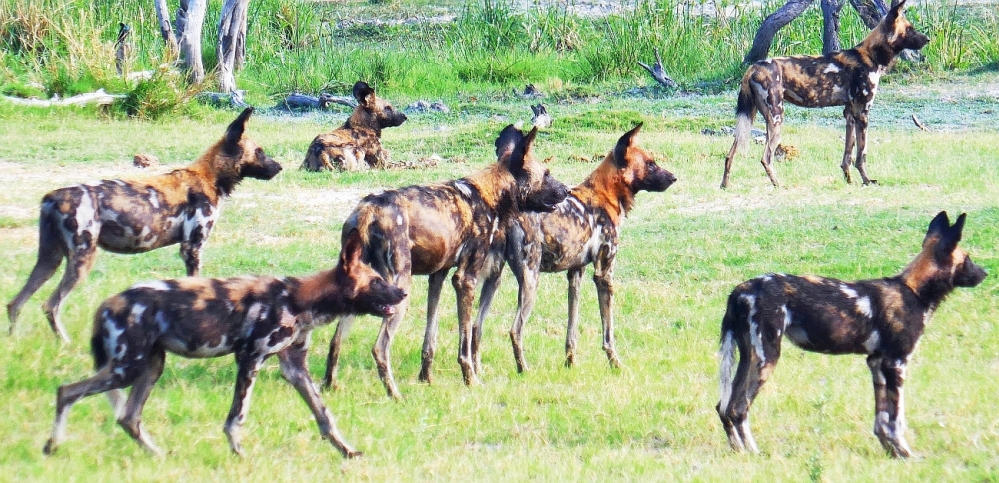
The Wild Dogs had settled down after their feed earlier in the morning and they were starting to stand up and romping around as if they were getting ready for their next hunt. It also looked like they had smelt something on the wind and they were ready to get going., One of the sadder features about the life of Wild Dogs is that it is inevitable that the older dogs start to lose their fitness along with their share of meals. I watched one poor old dog drag himself to his feet and hobble after the pack (Left below). I don’t think he was going to survive too many more chases through the grasslands of the Okavenga Delta.


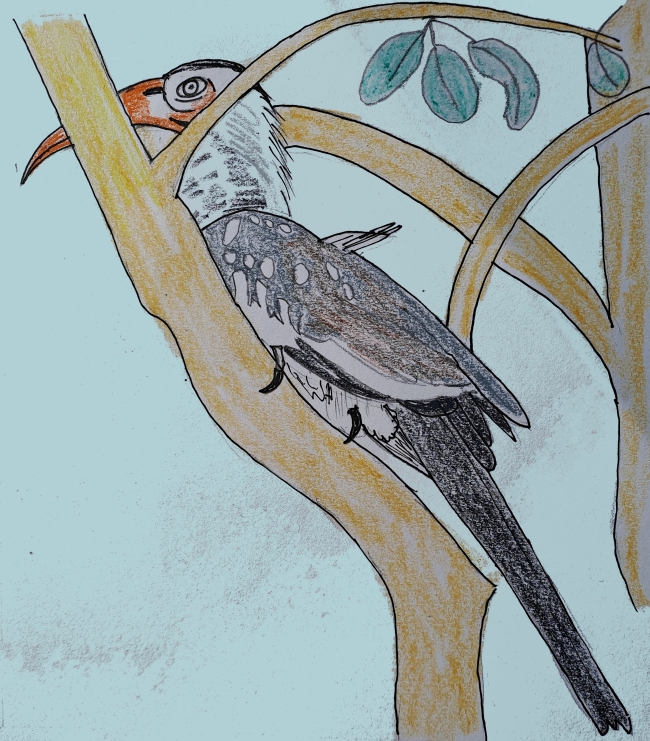
The Wild Dogs headed off to follow the scent of their prey in territory that our guides didn’t appreciate so we started to head back to country closer to Little Vumbura. Early in our drive we passed a Southern, yellow-billed Hornbill sitting on the edge of the track; it is one of the most curious and complex looking birds of the Delta. It feeds mainly on the ground so the specimen we saw in a tree on the previous day (right, below) must have not begun his day hunting for food as these birds only rest in trees over-night. These horn-bills live in the dry open savannas of Southern Africa.

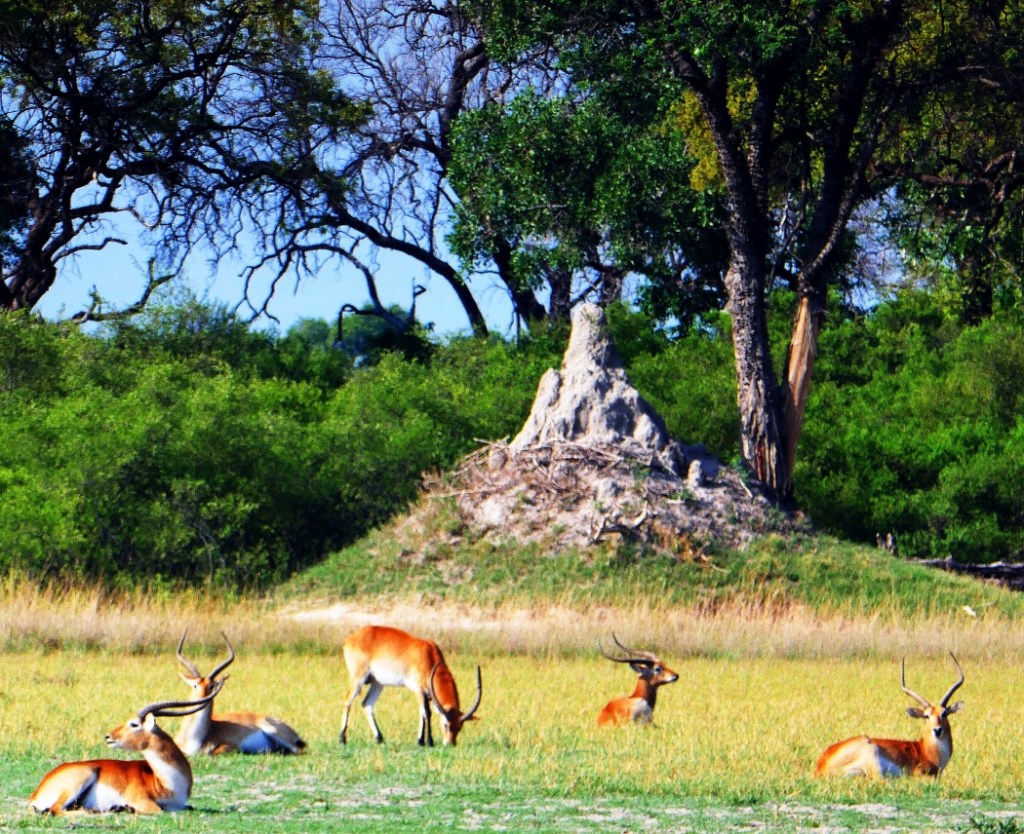
There were plenty of grazing impalas on our route as can be seen in the photo to the right. The interesting feature for me in this photo is the large tree on the right that has taken root right beside a large termite mound. It was this link between termites and seeds dropped by birds that was the genesis of the islands in the flood plains of the Okavenga Delta
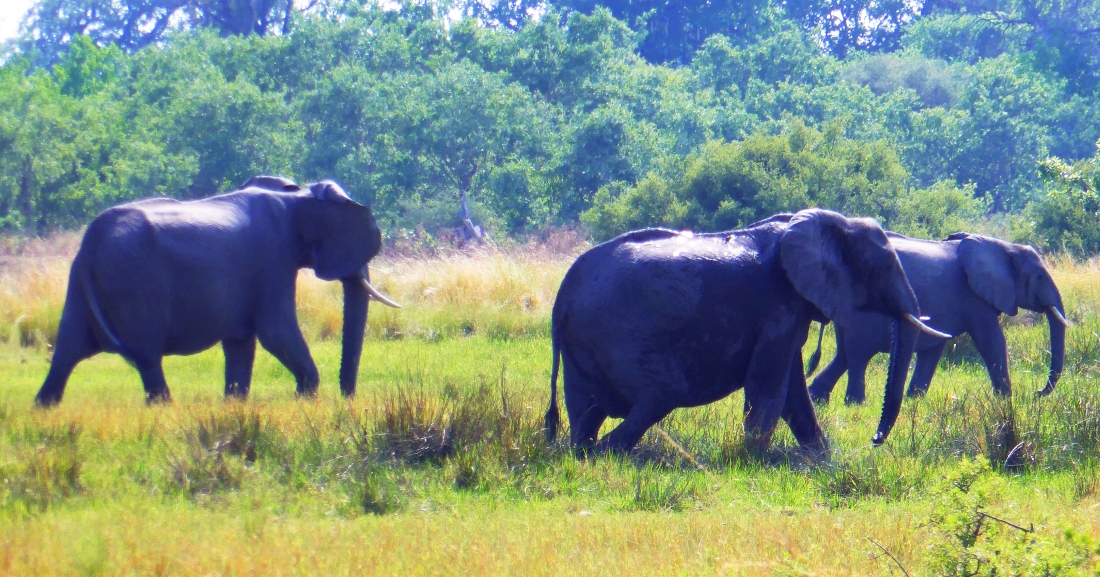
At one stage of our drive we stopped to inspect an Okavango Mud Turtle that our guide had spotted at the side of the road. These turtles generally live in the Delta rivers or the swamps but are often forced to seek refuge in other water areas during the dry season. We interrupted this turtle’s slow walk to the next waterhole. Curiously at the same time as we were inspecting one of the smaller creatures of the Delta, some of the largest of the local animals wandered past, the local elephants.

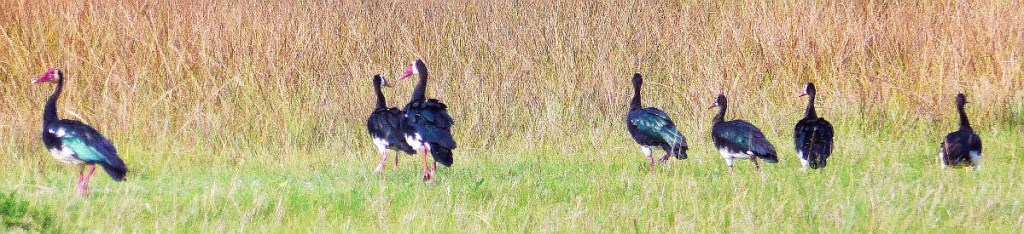
The grasslands of the Delta were an amazing haven for all sorts of birds. Apart from the Southern, yellow-billed Hornbill we had encountered early in our drive, my next favourite bird sighting of the morning were the Spur-Winged Geese who had gathered as a group to explore the swampland near one of our roads.

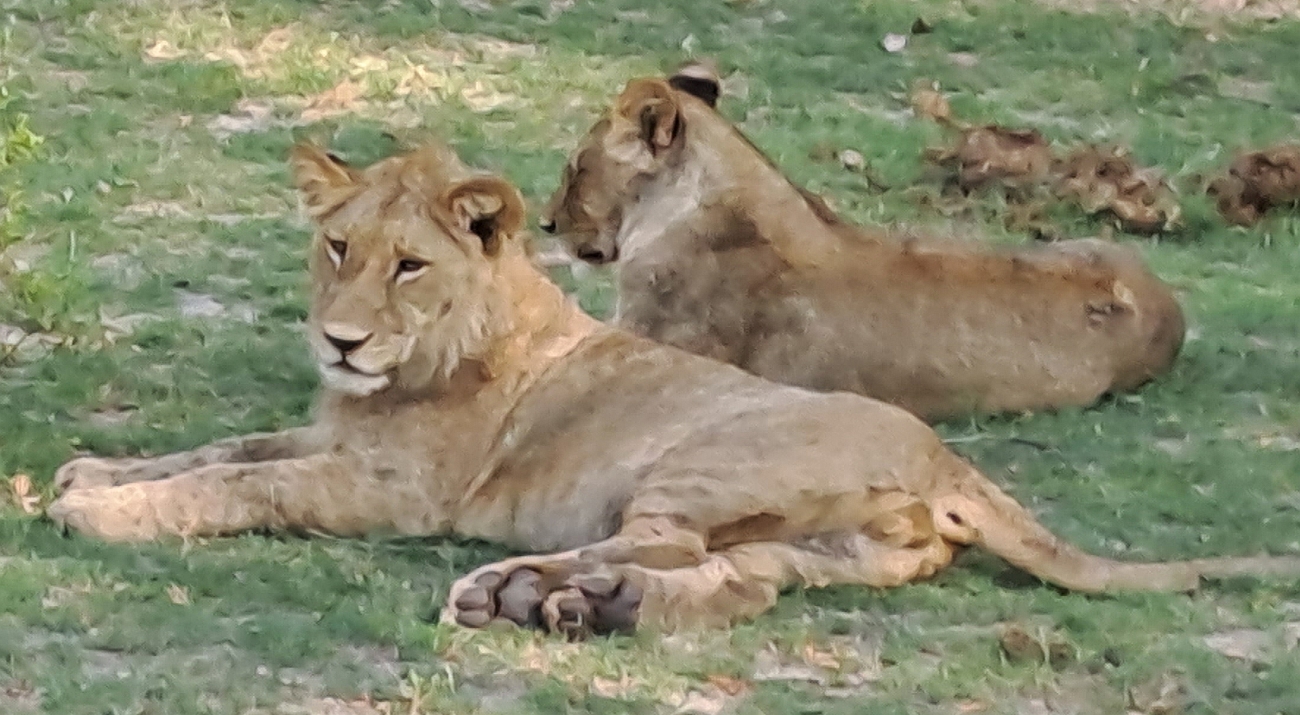
The most significant encounter of our morning safari was with a pride of lions who were resting under some trees. There appeared to be a couple of Female adult lions and a group of younger cubs. They clearly were not in a hurry to get anywhere so they must have been reasonably well fed from the previous day. We were lucky enough to encounter this same group on the following morning.

 FOGTRAVEL