We had visited Avignon for a few days in 2014 and stayed in a hotel outside the walls. Although we had a look around inside the walls of this lovely medieval city, we used the few days we had there as a chance to look around the beautiful towns of Provence. It wasn’t until we returned in October of 2023 that we stayed in a hotel in the centre of Avignon, just behind the Place de L’Horlogue. We had caught the train down from Paris and on arrival, caught a Taxi from the station directly up Rue de la Republique to Hotel de L’Horlogue. Our job for our second day in the area was to pick up a hire car and use it to visit some of the towns around Avignon
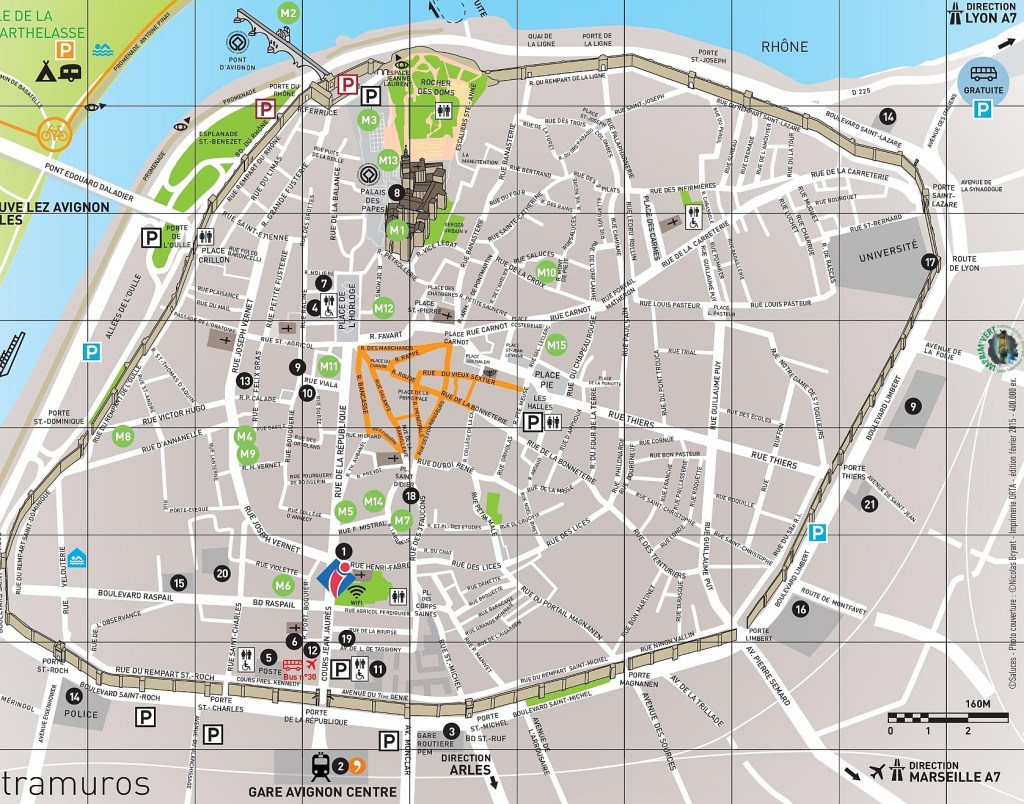
On our first night, we decided to go out for dinner in Place de L’Horlogue at an Italian restaurant not far from the hotel. As the central public square in Avignon, it was not only a place to find a restaurant, it was also where public events were held as well as public demonstrations. On our first night in Avignon, there was a large and noisy public demonstration against the conflict that was playing out between Israel and Palestine. The crowd consisted mainly of young people who were shocked by the indiscriminate bombing of Palestinian cities that was the main feature on front pages of newspapers at the time.
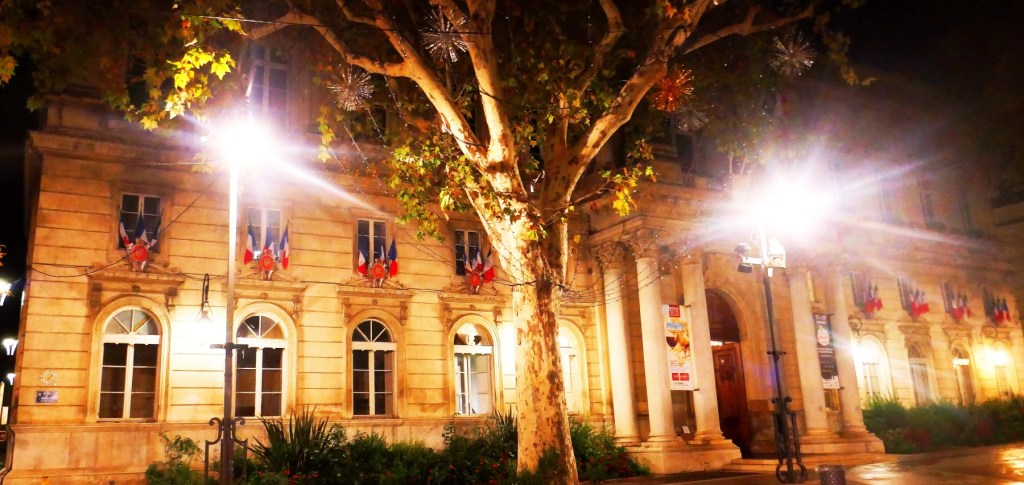
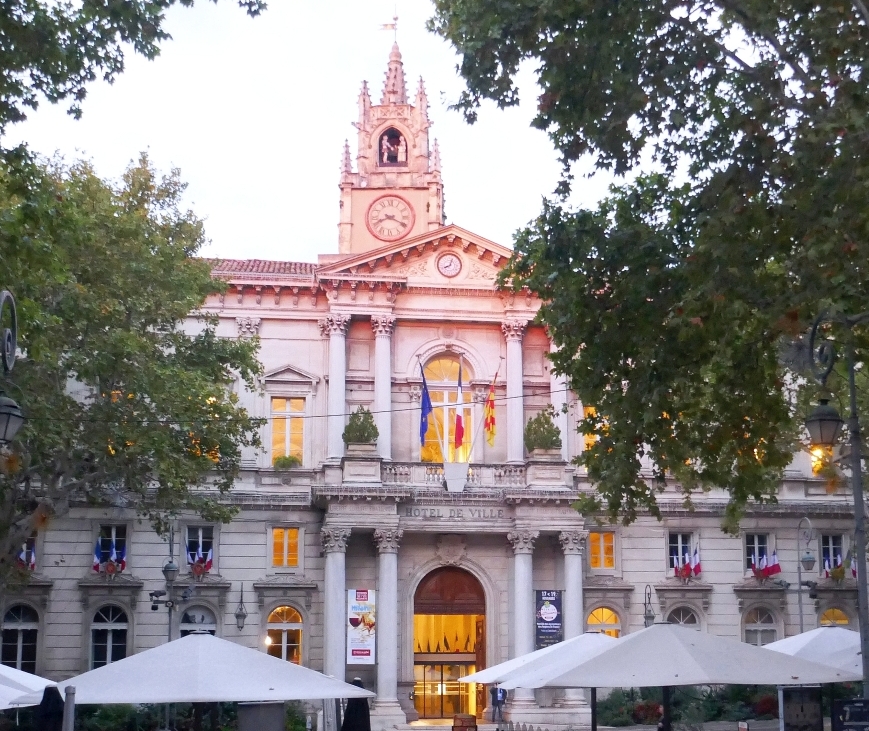
Below is a series of photos of the Hotel de Ville of Avignon that dominates Place de L’Horlogue. (The name ‘Horloge basically means ‘time-keeping device’ or clock.) The first photo was taken at the start of my early morning walk before the sun came up. The second photo was taken as I returned to the square when the sun had fully risen over Avignon. The most prominent aspect of the town hall is the clock tower that rises above the Hotel de Ville towards the back of its roof. It was originally a belfry built in the late 15th century. The Town hall was built in the mid 19th century. There are two ‘automatons’ (Jacquemart and his wife) that come ‘alive’ when the clock strikes the hour.
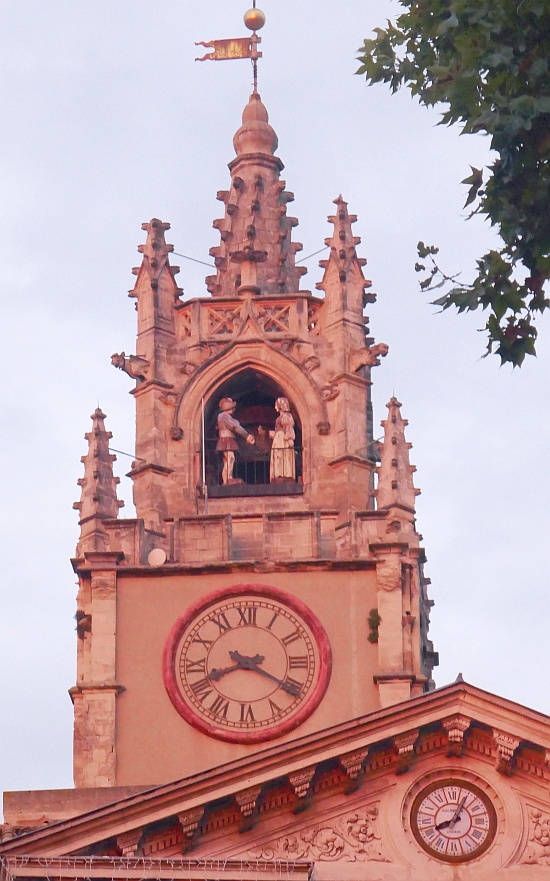
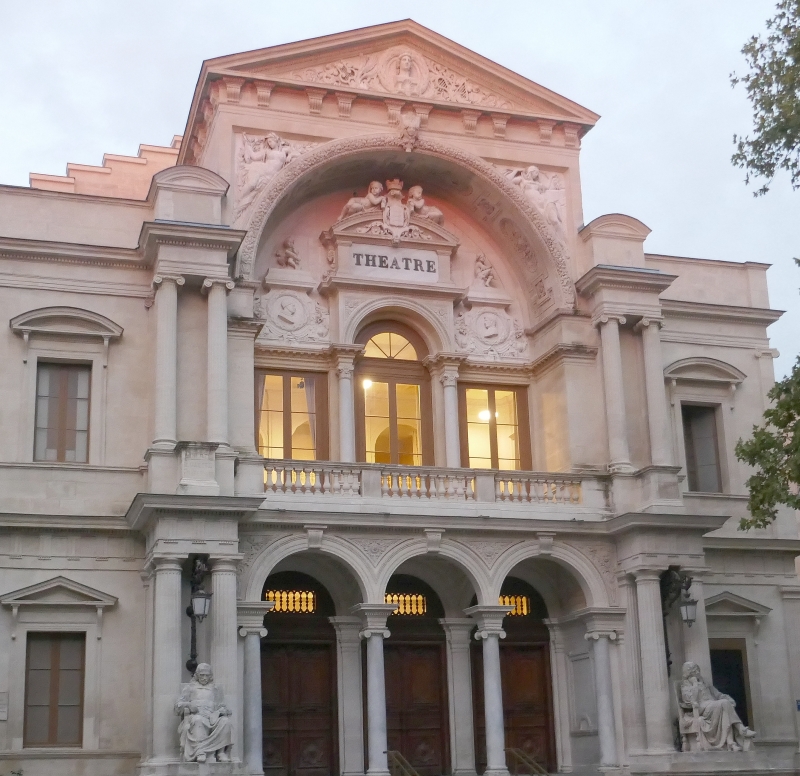
On our first full day in Avignon I awoke early and decided to go for a walk around the centre of Avignon before breakfast. I knew we had to collect a hired car that day for our trips around Provence so I knew I wouldn’t get a better opportunity. After inspecting the façade of the Hotel de Ville, I walked further up and checked out the Opera Theatre that sat on the top corner of the main square. It was built in 1825, burnt down in 1846 and rebuilt the following year. There are two large, seated statues of famous French playwrights on each side of the front doors of the theatre. They are the playwrights Corneille (1606-1684) and Molière (1622-1673).
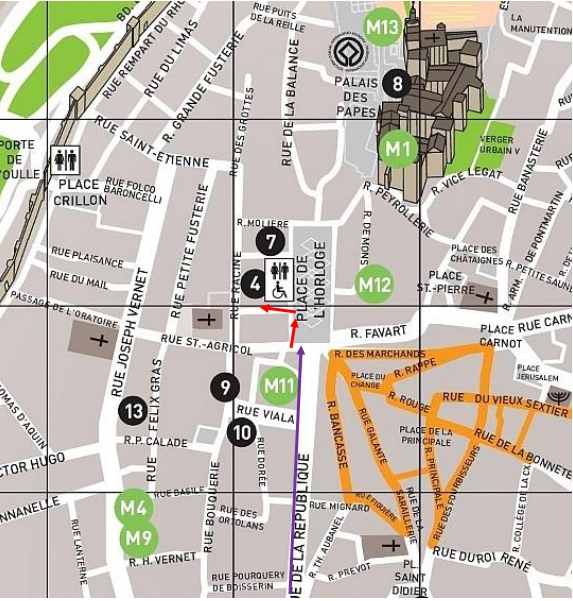
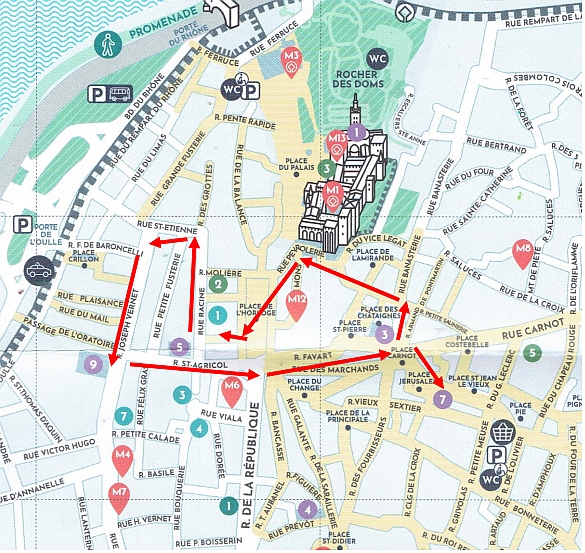
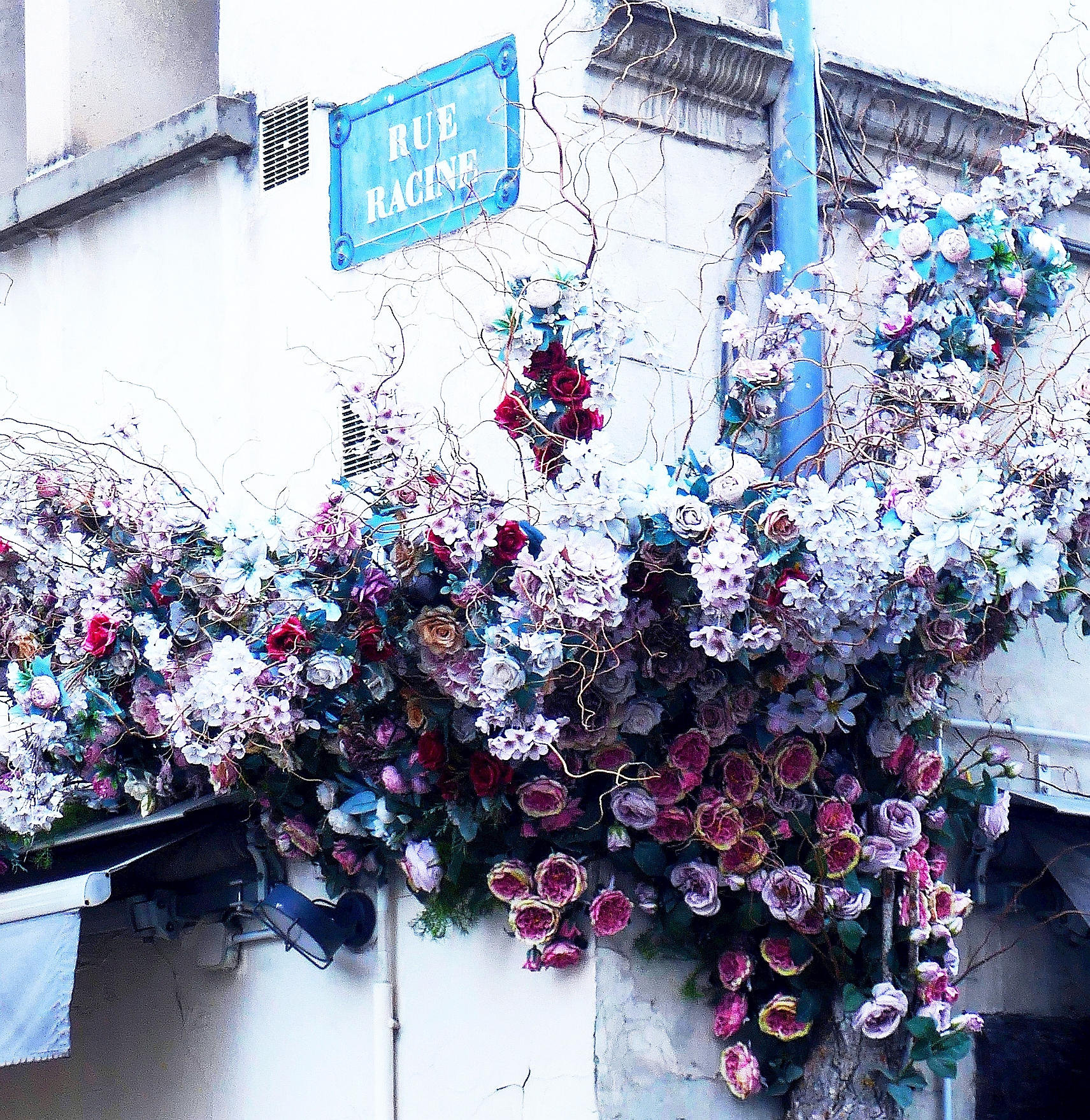
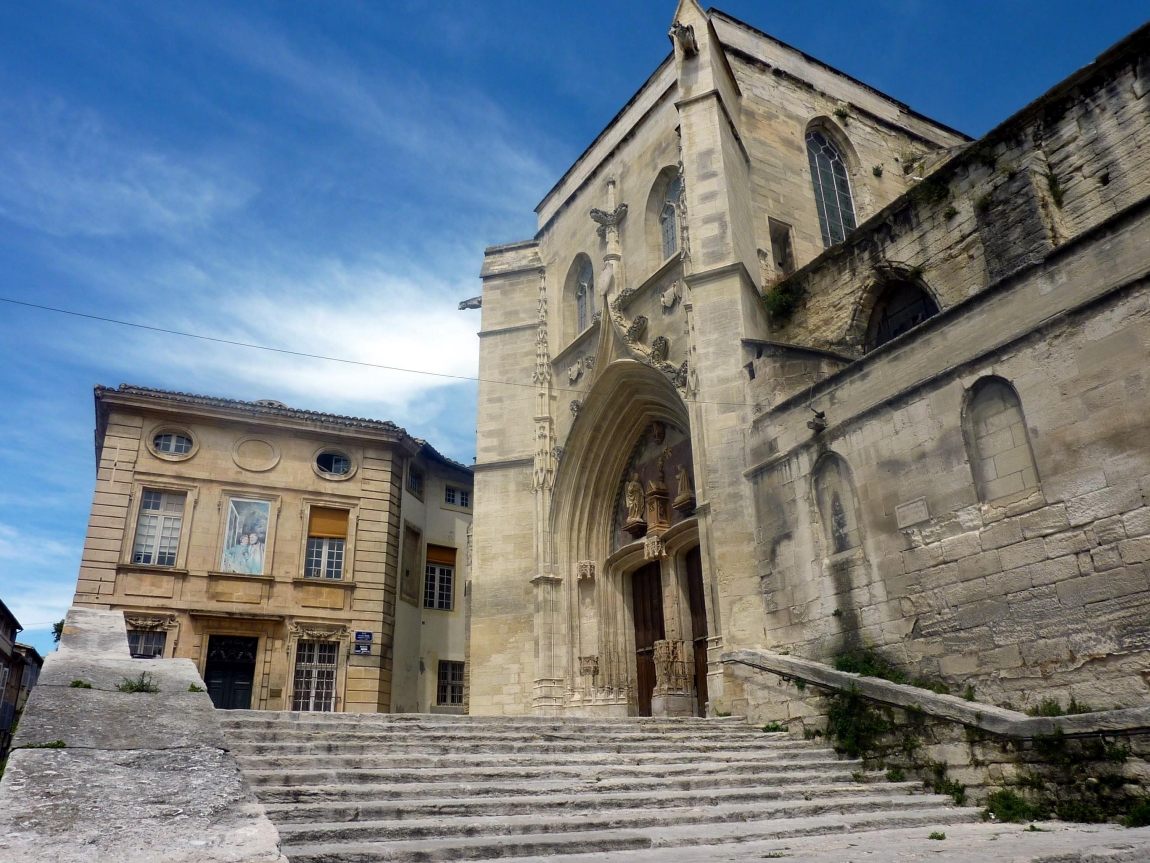
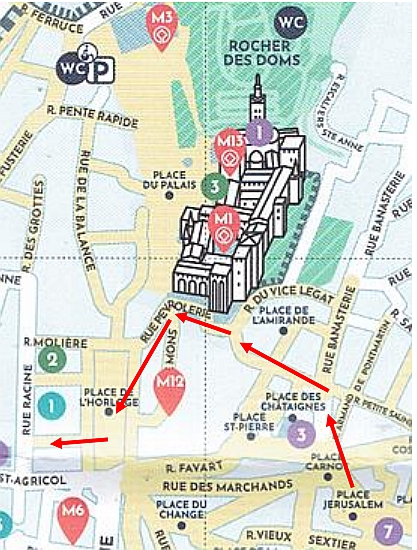
The map to the right illustrates the path of my early morning walk around a slowly awakening Avignon. I turned right at Rue St Etienne which took me around the back of the Opera Theatre and I found myself in Rue Racine. In front of me were the walls of St Agricola which is the oldest standing place of worship in the city. It was built in 1321 and is believed to have been built over the remains of a church/abbey that St Agricola himself had built between 660 and 700 CE.
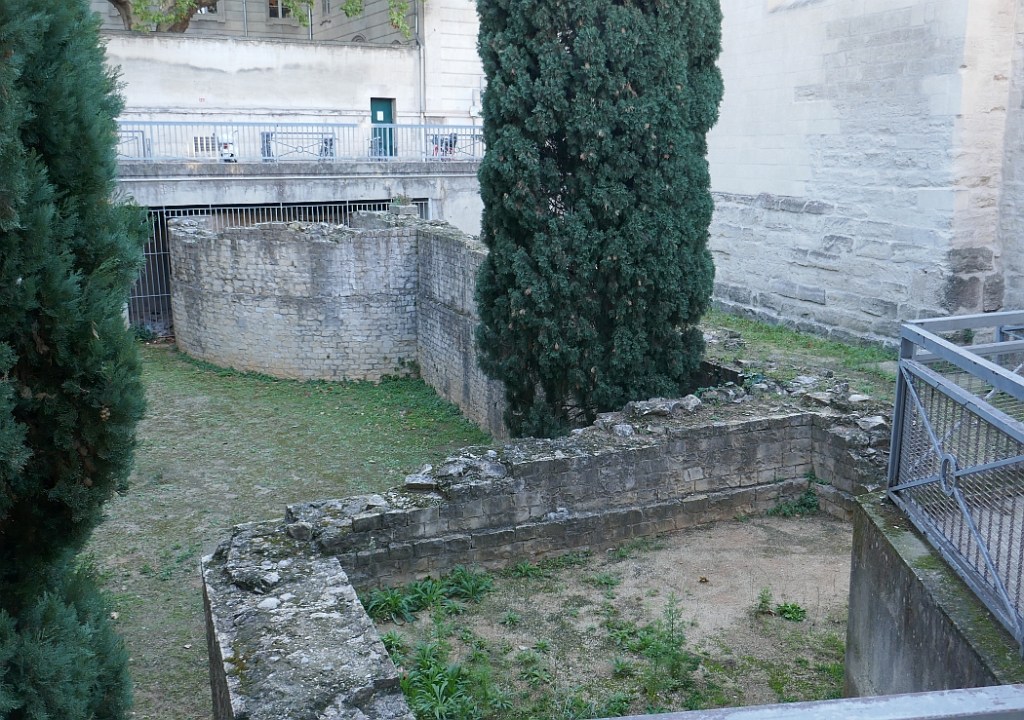
On one side of Rue Racine can be seen the archaeological diggings that have unearthed the old foundations of the 7th century church. St Agricola church was listed as a historic monument in1980 and was restored in 2012.
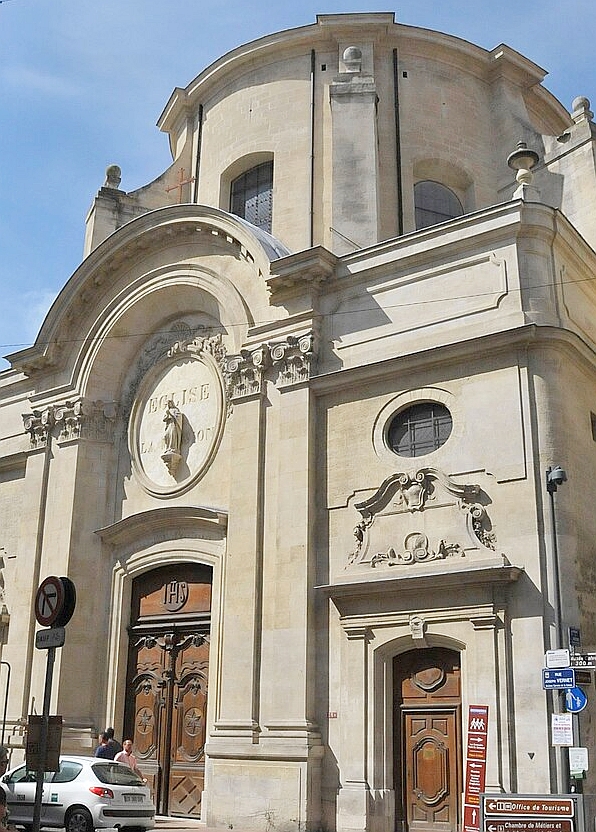
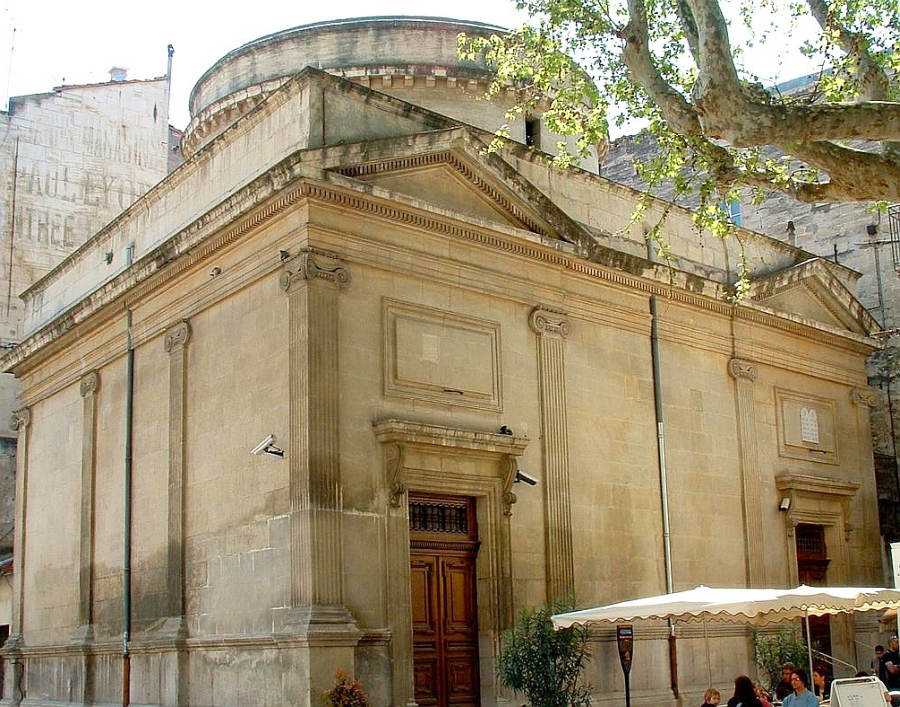
After turning down Rue St Etienne, I came to Rue Joseph Vernet and took a left hand turn which took me down to the corner where there was a building called the Chapel of the Oratory (See right) which was built between 1713 and 1749. It belonged to a lay religious group that changed over the next two centuries and became great supporters of the Revolution. It was transformed into a Patriotic Club but the building was taken over by the local council in the 18th century where it stored its gun powder and ammunitions. It was returned to its original function in 1825 and is now a chapel for a local school.
From the Oratory, I turned back up Rue St Agricola which took me up past the front of Eglise St Agricol. In the photo above right can be seen the main steps and the façade of St Agricola.
From the church of St Agricol it was a short walk up this street which led me back to the top of Rue de La Republique where it merged with the Place de L’Horlogue.
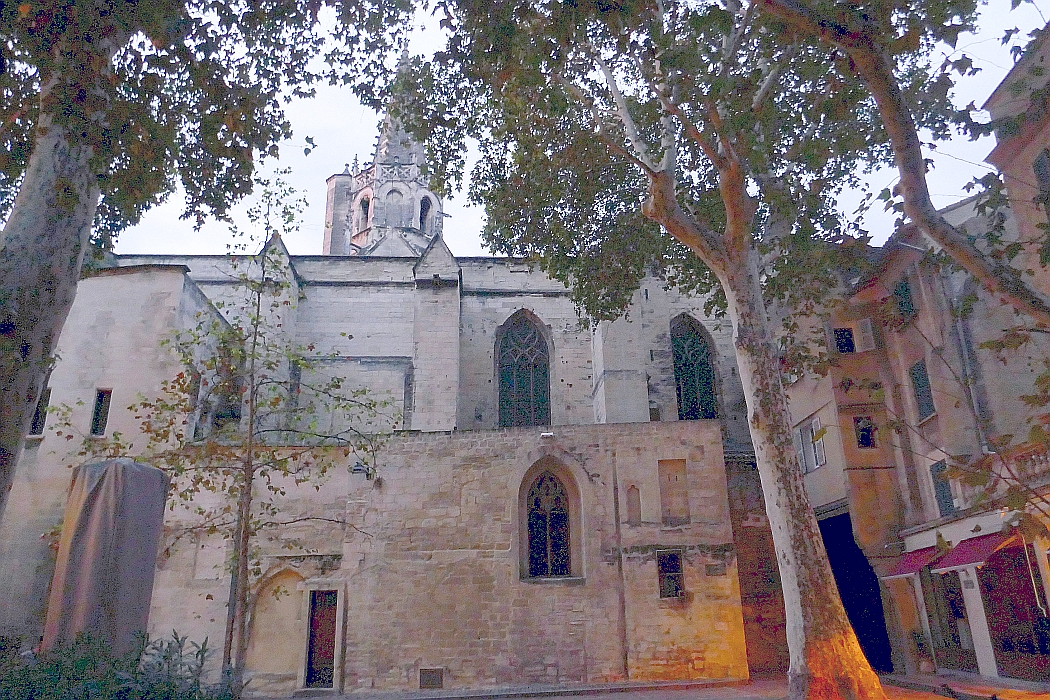
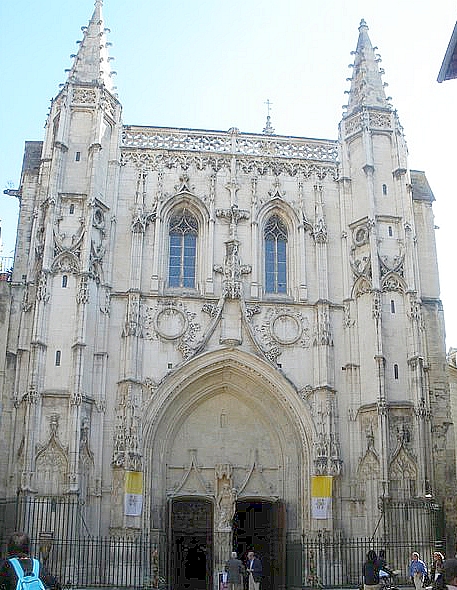
I crossed over Rue de Republique to Rue Favart heading towards Place St Pierre. Here is to be found St Peter’s Basilica built in 1385. It is not far from the Papal Palace. Apparently there was a temple here from the 7th century so this is a very ancient religious site in Avignon.
Just a little further along from St Pierre is Place Jerusalem where the Jewish Synagogue is to be found. This synagogue was built in the 19th century but like so many religious buildings in Avignon, it was built over the site of a synagogue that dates from 1221.
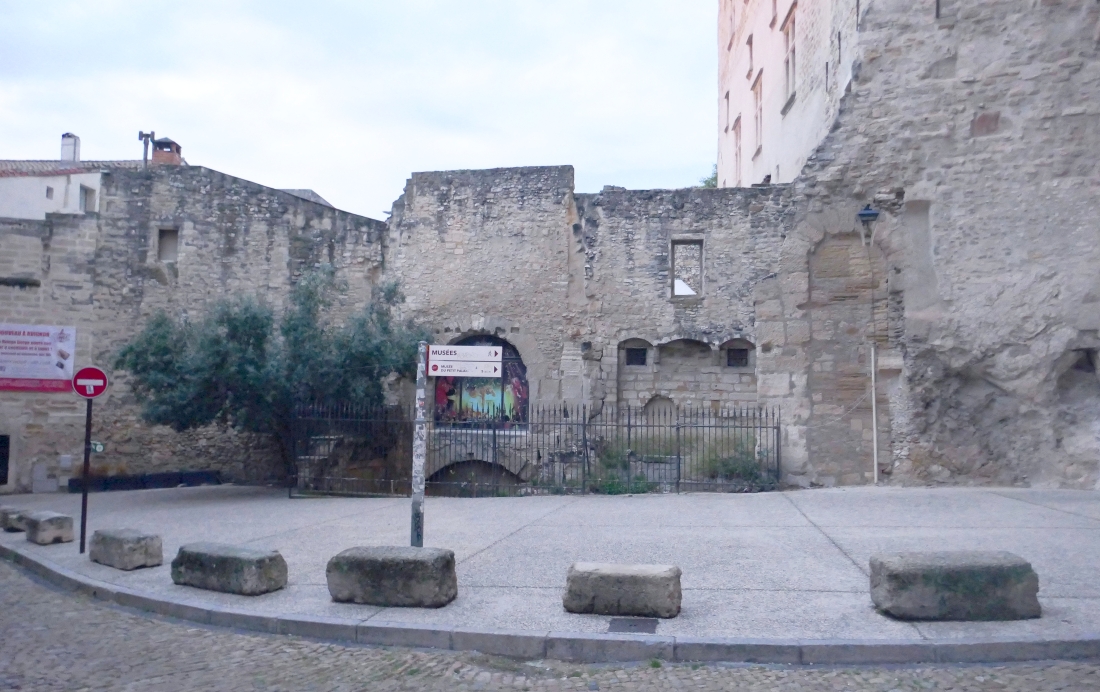
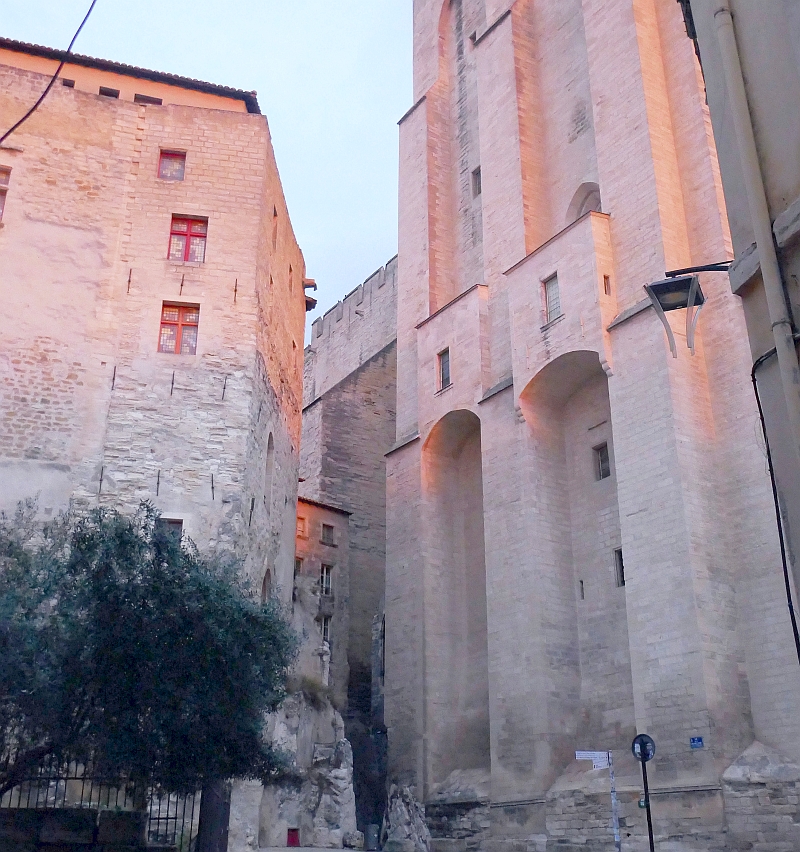
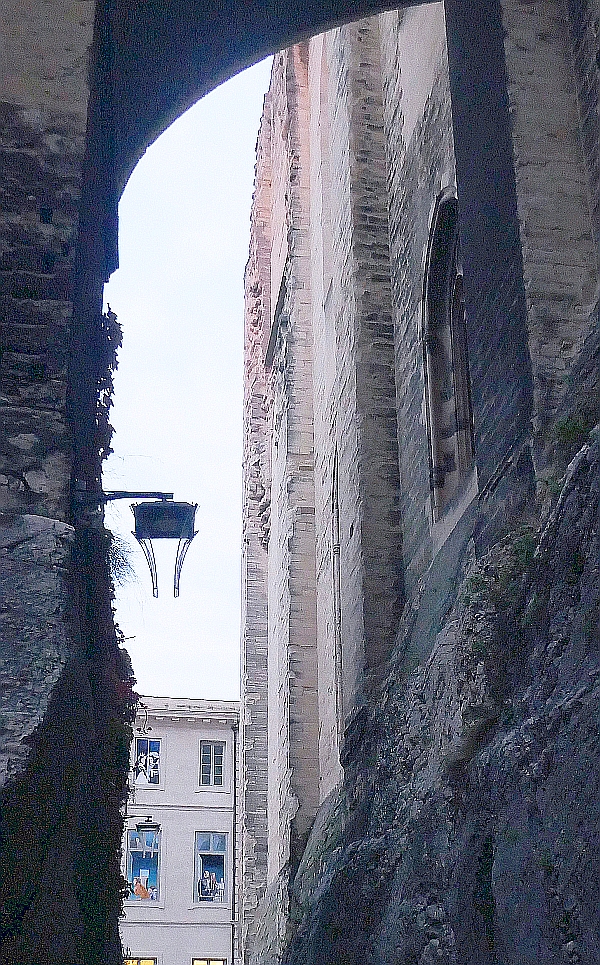
By this stage of my early morning walk, daylight was lighting up the city of Avignon as I strolled up towards the Palais des Papes. I had visited the Papal Place back in 2014 and I knew we were going to do a tour of the Palace later in the day. My intention was to stroll up beside and behind the Palace and make my way back to our hotel behind Place de L’Horlogue. The images below are of the street that runs beside one end of the huge palace and illustrates that the Papal Palace wasn’t built over a flat site but incorporated into its foundations some huge rocky outcrops from the original landscape.

I was able to wander quickly back to Place de L’Horlogue, through to my hotel and greet my fellow travellers at breakfast.
 FOGTRAVEL